The Best Hot Dog Recipes for Beginner Cooks
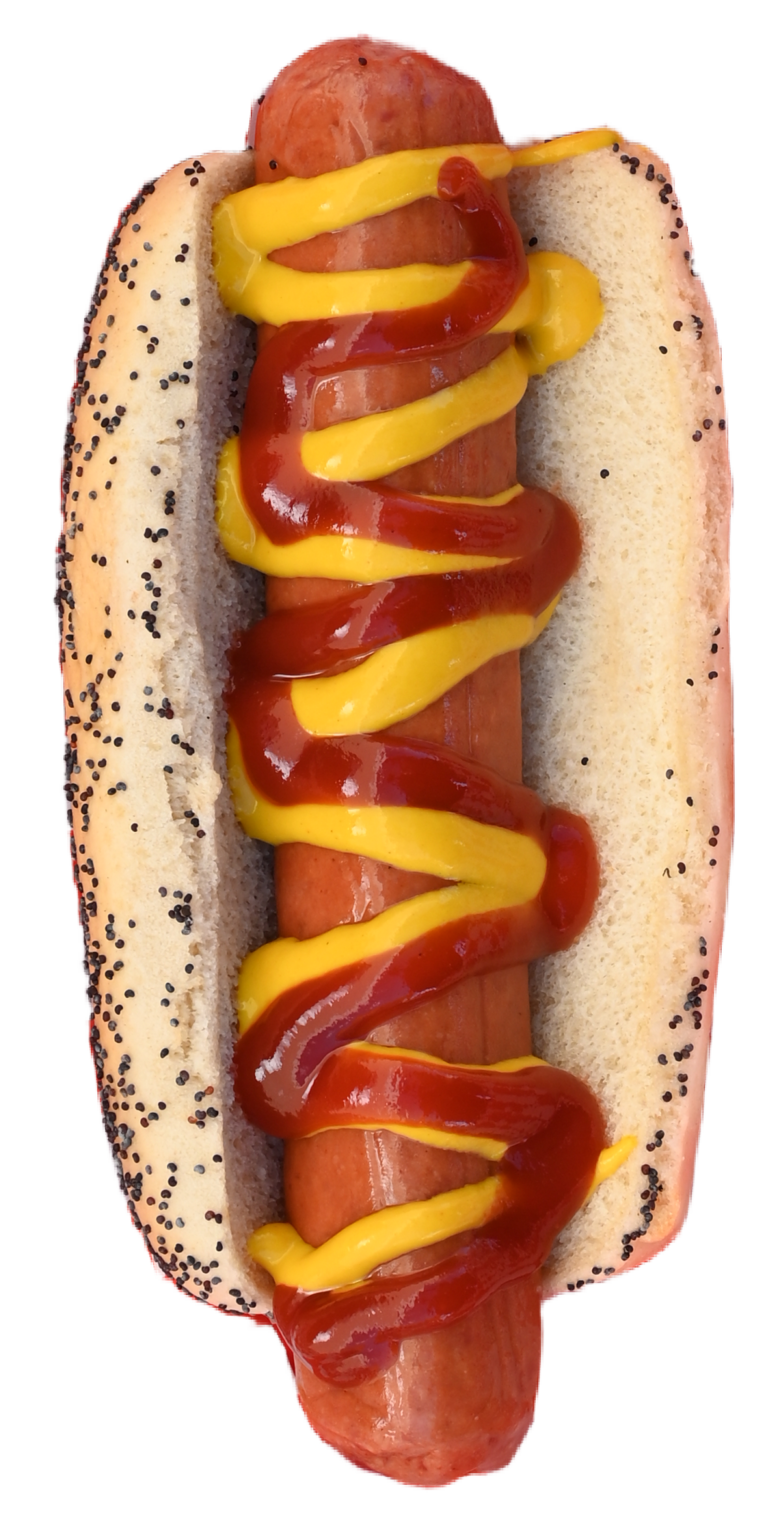

Hot dogs are one of the easiest things a new cook can make well, but that does not mean they have to be dull. A good hot dog teaches several kitchen basics at once: how to brown food without burning https://gravatar.com/underconstructionhotdogs it, how to toast bread, how to balance salty and acidic flavors, and how to build a meal from a short ingredient list. It is low risk, quick to cook, and forgiving enough that a beginner can focus on confidence instead of perfection.
That matters more than people admit. Many first recipes ask too much. They involve long ingredient lists, expensive cuts of meat, or timing that falls apart the second someone hesitates. A hot dog is different. It is familiar, inexpensive, and fast. You can boil it, pan-fry it, roast it, or grill it. You can keep the toppings simple or turn it into dinner with beans, onions, peppers, slaw, or melted cheese. If dinner goes sideways, you are out a few dollars, not half your grocery budget.
I have also found that hot dogs are one of the best ways to teach judgment in the kitchen. There is no complicated sauce to hide behind. If the bun is stale, you notice. If the onions are undercooked, they taste sharp instead of sweet. If the dog is split and dried out, it is obvious. But every one of those problems is easy to fix the next time, which makes the whole process useful for beginners.
A few smart choices before you start
The best hot dog recipe begins at the store. Buy a brand you actually enjoy eating plain. That sounds obvious, but it saves a lot of disappointment later. Beef hot dogs usually have a richer, saltier flavor and a firmer bite. Pork and beef blends tend to be a little milder and often cost less. Turkey dogs can work, though they dry out faster, so they need gentler heat.
Buns matter almost as much as the hot dog itself. Soft white buns are classic and beginner-friendly because they toast quickly and hold toppings well. Brioche buns taste richer, but they can feel too sweet if you are using sugary sauces. Potato buns are a nice middle ground. If the package feels compressed or the buns look dry around the edges, keep walking.
For toppings, start with a few reliable contrasts. A hot dog wants salt, acid, sweetness, and texture. Mustard brings sharpness. Ketchup adds sweetness. Relish adds acidity and crunch. Chopped onion gives bite. Sauerkraut contributes tang and cuts through the fat. Chili turns a quick lunch into a more filling meal. You do not need all of them. In fact, beginners usually do better with fewer toppings because the flavors stay clearer and the bun is less likely to collapse.
The easiest way to cook a hot dog well
If you are new to cooking, use a skillet. A pan gives you more control than a grill and more flavor than boiling. Put a nonstick or stainless steel skillet over medium heat. Add a teaspoon of oil or a small pat of butter if the pan is dry. Lay the hot dogs in the pan and cook them for about five to seven minutes, turning every minute or so. You want blistered, browned spots, not black char. If the pan starts smoking hard, the heat is too high.
This method teaches one of the first big lessons in cooking: medium heat does more work than people think. High heat feels faster, but it often burns the outside before the inside is hot. With hot dogs, medium gives you time to notice what is happening. You can hear the gentle sizzle, watch the casing tighten, and see the color deepen. That feedback is useful.
While the hot dogs cook, toast the buns. You can do this in the same pan for about thirty seconds to a minute per side after the dogs come out, or in a toaster oven if you have one. A toasted bun is not a fussy restaurant move. It prevents sogginess and gives the whole thing enough structure to hold sauces and toppings.
Recipe one, the classic skillet hot dog
If someone wants one hot dog recipe to start with, this is the one. It is straightforward, fast, and gives a better result than microwaving or boiling.
Cook the hot dogs in a skillet over medium heat until they are browned in patches and heated through. Toast the buns lightly. Spread yellow mustard on one side of each bun and a thin stripe of ketchup on the other, if you like both. Set in the hot dog, then add a spoonful of relish and a little finely chopped white onion.
That is it, and it is worth doing properly. The relish should be drained a bit so it does not make the bun wet. The onion should be chopped small enough that it does not fall out in chunks. If raw onion tastes too harsh, rinse it under cold water for thirty seconds and pat it dry. That takes the edge off without removing the crunch.
The result is balanced in a way beginners can really taste. You get savory meat, soft bread, a little snap, sweetness from the ketchup and relish, and acidity from the mustard. It is not complicated, but it tastes complete.
Recipe two, buttery griddled onion dogs
This version feels more like diner food, and it is a strong next step because it teaches patience. The onions need time.
Slice one medium yellow onion thinly. Heat a skillet over medium-low heat with a tablespoon of butter and a teaspoon of oil. Add the onions with a pinch of salt and cook them slowly, stirring now and then, until they turn soft and light brown. Depending on the pan and the onion, this can take anywhere from twelve to twenty minutes. Beginners often stop too early, when the onions are merely wilted. Keep going until they smell sweet and lose that raw bite.
Once the onions are nearly done, push them to one side and add the hot dogs to the same pan. Let them brown while the onions continue to soften. Toast the buns lightly. Nestle each hot dog into a bun, pile the onions on top, and finish with mustard.
The beauty of this recipe is how much flavor comes from one cheap vegetable and a little time. If the onions start browning too quickly, lower the heat and add a spoonful of water. That loosens the browned bits and prevents burning. If they seem pale and watery after ten minutes, your heat is probably too low. Turn it up slightly.
This is one of those hot dog recipes that makes beginners feel like they are really cooking. You are managing heat, using aroma as a cue, and layering ingredients instead of simply heating and assembling.
Recipe three, chili cheese hot dogs for a hungry crowd
A chili dog sounds messy, and it is, but it is also a very practical beginner meal. Store-bought chili works fine here. So does leftover homemade chili that is a bit too thick for a bowl. In fact, thick chili is better for hot dogs because it stays on top instead of flooding the bun.
Warm the chili in a saucepan over medium-low heat until hot. Cook the hot dogs in a skillet or under the broiler. Toast the buns enough to create a little barrier against the chili. Put the hot dog in the bun, spoon over a modest amount of chili, then top with shredded cheddar or Monterey Jack. If you want the cheese melted, place the assembled dogs under the broiler for thirty to sixty seconds, watching closely.
Restraint matters here. Too much chili makes the bun split and turns dinner into a fork-and-knife problem. Too much cheese buries the hot dog. A better ratio is less than most people expect: enough chili to coat the top, enough cheese to add richness, and maybe a few diced onions for crunch.
This is also a good lesson in sequencing. Heat the chili first, then cook the dogs, then toast the buns. If you toast the buns too early, they cool off and toughen. If you cook the dogs first and leave them sitting, they wrinkle and lose their juiciness.
Recipe four, roasted pepper and cheese dogs
For cooks who want something that tastes a little more substantial, this version leans savory and works especially well for dinner. It feels closer to a sausage sandwich, but it still uses the humble hot dog as the base.
Slice a bell pepper and half an onion into thin strips. Cook them in a skillet with a tablespoon of olive oil over medium heat until softened and lightly browned, about ten to fifteen minutes. Season with a pinch of salt and black pepper. Add the hot dogs to the pan for the last several minutes so they can brown alongside the vegetables.
Toast the buns, add the hot dogs, and pile the peppers and onions on top. Finish with provolone, mozzarella, or even a thin layer of cream cheese if that is what you have. If you want the cheese melted, a quick minute in a warm oven will do it.
What beginners learn here is volume control. Peppers release moisture, which can leave a pan steamy instead of sizzling. If that happens, spread the vegetables out and give them a minute without stirring. Browning needs contact with the pan. Crowding works against you.
This recipe also shows how to stretch a package of hot dogs into a fuller meal. With vegetables and a side salad or roasted potatoes, it no longer feels like a snack.
Recipe five, crisp-edged hot dog with slaw
Not every good hot dog needs melted cheese or cooked toppings. Sometimes contrast does more than richness. A crisp, browned dog with cool slaw is a great example, and it is excellent in warm weather when you do not want to cook much.
Start by making or buying a simple slaw. Even pre-shredded cabbage tossed with a spoonful of mayonnaise, a splash of vinegar, a pinch of sugar, salt, and pepper will work. Let it sit for ten minutes so the cabbage softens slightly. Cook the hot dogs in a skillet until deeply browned. Toast the buns. Add the dogs to the buns, then spoon on the slaw and a little mustard.
This one succeeds because temperature and texture do a lot of the work. You get hot and cool, soft and crunchy, rich and acidic. It also teaches a useful beginner habit: seasoning the garnish. A plain pile of dry cabbage is not slaw. It needs salt and acid to come alive.
If your slaw seems watery, do not panic. Cabbage releases liquid as it sits. Just give it a quick stir and use a slotted spoon, or let it rest in a colander for a few minutes before topping the hot dogs.
Recipe six, oven-baked hot dogs when you are cooking for several people
Skillet cooking is ideal for one to four hot dogs. Beyond that, the oven becomes easier. This matters if you are feeding kids, hosting a casual game night, or making a quick dinner for a family.
Set the oven to 400 degrees Fahrenheit. Place the hot dogs on a sheet pan lined with parchment or foil and bake for about ten to fifteen minutes, turning once if you want even browning. During the last couple of minutes, add the buns to the oven, open-side up, so they warm and toast slightly. If you want cheese on top, add it just before the buns come out.
Oven hot dogs do not get the same concentrated browning as a skillet, but they are reliable and hands-off. Beginners often underestimate how helpful that is. When you are learning to cook, reducing the number of things you have to monitor can be the difference between a calm dinner and a panicked one.
You can pair this method with almost any topping in the article. Warm chili works. So do sautéed onions, peppers, or sauerkraut. The method is simple, but it scales well.
Common mistakes beginners make with hot dogs
The first is overcooking. A hot dog is already cooked when you buy it. Your job is to heat it through and improve the texture. If you leave it in a hot pan too long, the casing can split, the surface can shrivel, and the inside can turn oddly dry. It only takes a few minutes.
The second is skipping the bun. Not skipping it entirely, but skipping the step of warming or toasting it. Cold buns flatten the whole experience. Warm bread smells better, tastes fresher, and holds its shape.
The third is piling on too many toppings. New cooks often think more ingredients automatically create more flavor. Usually the opposite happens. Heavy toppings slide off, sauces soak through the bread, and the hot dog itself disappears. Start small. You can always add more to the next one.
The fourth is using heat that is too high. This comes up with onions too, not just the hot dogs. Browning should be controlled. Burnt food tastes one-note. Good color comes with a little patience.
The fifth is ignoring salt and acid in the extras. Hot dogs are rich and savory. If everything you add is also rich and savory, the sandwich tastes flat. A spoonful of mustard, relish, pickled jalapeños, or sauerkraut often does more than another layer of cheese.
How to make a hot dog meal feel complete
A hot dog can absolutely be dinner if the sides are chosen well. Baked beans are an obvious and very good choice because they echo the sweetness and smokiness that suit the meat. A cucumber salad works when the weather is warm and you want something crisp. Oven fries are beginner-friendly and can cook while the hot dogs rest. Even a bowl of cut fruit can make the meal feel more balanced, especially if the main dog is salty and rich.
If you are cooking for children or very picky eaters, set out toppings separately and let everyone build their own. That reduces waste and avoids the common problem of making four fully dressed hot dogs only to hear that someone wanted theirs plain. It also makes the meal feel more generous without much extra work.
A note on budget and leftovers
One reason hot dog recipes stay useful, even for experienced cooks, is cost. A package of hot dogs, buns, onions, and mustard can still feed several people for relatively little money compared with most meat-based meals. If you add chili or vegetables, you stretch the meal further.
Leftovers are easy to manage. Cooked hot dogs reheat well in a skillet or microwave the next day, though they are best fresh. Extra sautéed onions or peppers can go into omelets, grilled cheese, rice bowls, or pasta. Half a jar of relish and an open mustard bottle will not go to waste. For a beginner, that kind of overlap is valuable. It keeps the refrigerator from filling with one-purpose ingredients that never get touched again.
Why hot dogs are such good practice
There is a reason cooks come back to simple foods. Simple does not mean careless. It means the details matter, and the details are visible. With a hot dog, you learn the effect of heat level, the value of toasted bread, the role of acidity, and the difference between enough topping and too much. Those are transferable skills. They show up again when you make burgers, sausages, sandwiches, even roasted vegetables.
More important, hot dogs offer quick feedback. You can make one for lunch, notice that the onions needed more time or the bun needed toasting, and make a better one two days later. That short learning loop helps beginners improve fast. It builds the kind of confidence that comes from repetition rather than guesswork.
If you are just starting out, that may be the best reason to make these recipes. They are satisfying, flexible, and realistic for a weeknight. They do not ask you to master difficult technique before you can eat something good. They ask only that you pay attention, use moderate heat, and taste as you go. That is a very strong place to begin.
Under Construction Hot Dogs
1225 W U.S. Hwy 50, Pueblo, CO 81008
FAQ About hot dog
What are different types of hotdogs?
Under Construction Hot Dogs offers a classic all-beef hot dog, a quarter-pound Jumbo Dog, a Chili Dog, and a Chicago Dog, along with brats and a Spicy Link.
What does a chili dog have on it?
Our Chili Dog pairs a Vienna all-beef hot dog with chili, shredded cheddar cheese, and finely diced onions.
What is in a traditional Chicago dog?
Our Chicago Dog comes on a steamed poppy seed bun with yellow mustard, bright green relish, onions, tomato wedges, a pickle spear, sport peppers, and celery salt.