The Ultimate Summer Hot Dog Recipe Roundup
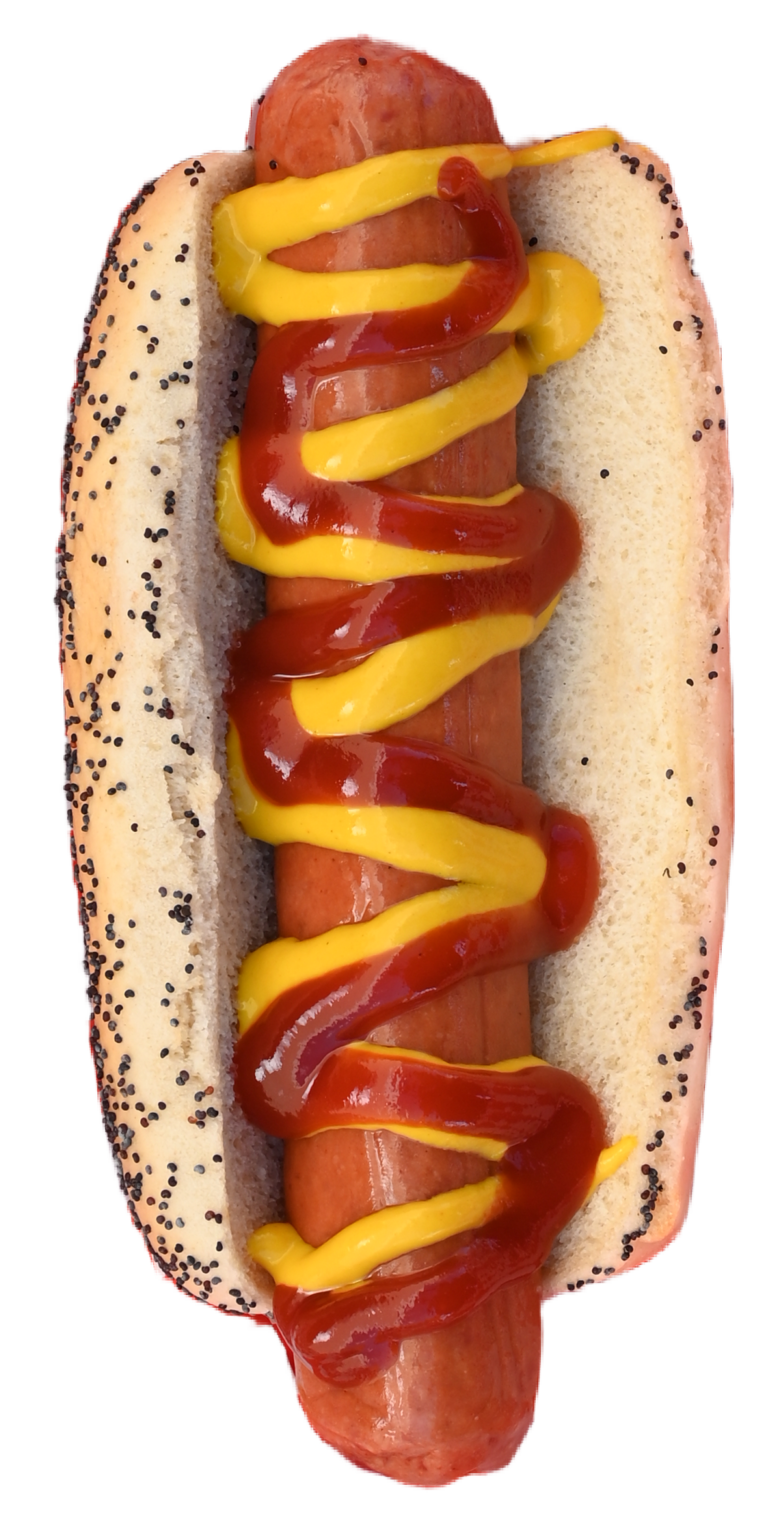


Summer cooking has a way of exposing weak ideas. A complicated menu sounds charming at noon and feels punishing by six, especially when the grill is already hot, the drinks are sweating, and someone is asking whether there is anything ready yet. That is where the hot dog keeps winning. It is fast, familiar, and cheap enough for a crowd, but it can also be surprisingly nuanced when you pay attention to the details that matter.
I have cooked hot dogs at backyard parties, little league fundraisers, beach rentals with underpowered stovetops, and one memorable Fourth of July where the grill ran out of propane halfway through service. In every setting, the same lesson holds up. A great hot dog is never just one thing. It is the balance of snap, smoke, salt, acid, sweetness, temperature, and texture, all packed into a bun that can either support the whole operation or collapse at the first bite.
This roundup is built for real summer cooking, not fantasy cooking. The recipes are practical, flexible, and designed for actual guests with different tastes. Some lean classic. Some go bigger with toppings. A few are ideal for feeding a crowd without spending the entire afternoon chopping condiments. The goal is not to prove how clever a hot dog can be. The goal is to help you put excellent food on the table with confidence.
What makes a summer hot dog actually good
Before getting into recipes, it helps to settle a few fundamentals. Not every sausage in a bun behaves the same way on the grill. Beef dogs usually bring the strongest savory punch and take well to aggressive toppings like chili, onions, or mustard. Pork and beef blends can be juicier and a little rounder in flavor. All-beef franks tend to have a firmer bite and cleaner finish. Skinless hot dogs are easy and widely available, but natural casing dogs deliver the snap most people associate with a great stand or ballpark dog.
The bun matters almost as much as the dog. A soft, top-split bun is my first choice for loaded combinations because it holds its shape better and toasts evenly. Side-split buns are easier to find and perfectly fine, but they need a gentler hand once the toppings pile on. If your bun is cold and dry straight from the package, you are starting at a disadvantage. Even thirty seconds of warming changes the whole experience.
Then there is the cooking method. Grilling is the obvious summer move and, when done well, probably the best. You get blistering, smoke, and concentrated browning that flatter the meat. But boiling, steaming, griddling, and roasting each have their place. Steamed hot dogs stay plump. Griddled hot dogs caramelize beautifully. Simmered dogs are easier for large groups because they hold well without splitting. Purists argue about methods. Cooks who host a lot learn to choose the method that fits the day.
The small decisions that improve every recipe
A hot dog does not ask much of you, but it punishes carelessness. Start with moderate heat instead of a raging inferno. Too-hot grates burst the casing before the interior heats through, and the rendered fat that leaks out is flavor you never get back. On most grills, medium to medium-high is enough. Give the dogs time to color gradually, turn them a few times, and pull them when they are evenly browned and lightly blistered.
Buns deserve separate treatment. I like to brush the inside very lightly with melted butter or neutral oil, then toast them cut-side down for twenty to thirty seconds. You want warmth and a little golden color, not crouton-level crispness. A hard bun turns a playful meal into jaw work.
Condiments need temperature awareness. Cold relish on a hot dog is refreshing. Refrigerator-cold chili is not. Sauerkraut should be warmed if it is going on a freshly grilled dog. Cheese sauce should be loose enough to drape rather than congeal into a plug halfway through the first bite. These are tiny judgments, but they are the difference between something that feels assembled and something that feels cooked.
The core summer lineup
When I plan a cookout menu, I think in terms of personalities. You need at least one option for traditionalists, one for people who want something messy and substantial, one with brightness and crunch, and one that feels a little unexpected without becoming gimmicky. That framework keeps the spread balanced and saves guests from the all-mustard-or-all-chili problem.
Here are the five recipes that cover almost any summer gathering:
- Classic grilled mustard and relish hot dog
- Chicago-style inspired hot dog
- Chili cheese hot dog with sharp onion
- Charred corn salsa hot dog
- Bacon, slaw, and barbecue sauce hot dog
That lineup works because each dog occupies a different lane. The classic satisfies nearly everyone. The Chicago-style version brings acidity and crunch. Chili cheese is rich and crowd-pleasing. Corn salsa tastes like peak summer produce. Bacon and slaw add smoke, sweetness, and texture that feel made for long afternoons outside.
The classic grilled mustard and relish hot dog
There is no shame in starting here. In fact, if your classic version is not excellent, the more elaborate ones will not save you. Use a good beef hot dog, grill it until the casing just begins to tighten and split in a few spots, then lay it into a toasted bun with yellow mustard and sweet or dill relish, depending on the crowd.
The trick is proportion. Too much relish floods the bun and overpowers the meat with sugar or vinegar. A thin zigzag of mustard and a narrow stripe of relish are enough. If you like onion, use very finely diced white onion in a restrained amount. It should add bite, not dominate every mouthful.
This is the dog I make when feeding mixed ages because it is universally approachable and easy to customize. Kids usually go for ketchup, adults argue about whether ketchup belongs, and everybody still eats. For all the debate, the classic hot dog remains one of the cleanest examples of why simple food endures. Smoke, salt, acidity, sweetness, softness, snap. Nothing wasted.
A Chicago-style inspired hot dog for people who like contrast
A true Chicago-style hot dog has rules, and people who care about it care deeply. Fair enough. For a summer home cookout, I prefer the phrase inspired by, because most cooks are not stocking neon green relish and sport peppers just to serve eight people on a patio. What matters is the spirit of the thing: bright, crunchy, salty, and busy in the best way.
Start with an all-beef dog, ideally steamed or gently grilled so it stays juicy and does not become too smoky. Nestle it into a poppy seed bun if you can find one. Then build with yellow mustard, sweet pickle relish, chopped onion, tomato wedges or slices, a pickle spear, pickled peppers, and a little celery salt.
The magic is in the temperature and texture interplay. The dog is hot and savory, the vegetables are cool https://keeganzxec934.valiantfield.com/posts/how-to-serve-hot-dogs-in-creative-party-style and wet, the pickle brings brine, and the celery salt sharpens the whole bite. It sounds like too much until you eat one. Then it makes perfect sense. This is an ideal hot dog for hot weather because it feels lively rather than heavy.
There is also a practical benefit. Most of the components can be prepped ahead and arranged assembly-line style. Guests who like structure can build the full version. Guests who do not want a vegetable architecture project can stop at mustard, relish, and onions.
Chili cheese hot dogs that do not turn soupy
A bad chili cheese hot dog is one of the messiest disappointments in cookout food. The chili is too thin, the cheese too bland, and the bun gives up immediately. A good one is glorious. Rich, salty, a little spicy, and substantial enough to count as dinner.
The first rule is that the chili must be thick. This is not bowl chili. It should cling to a spoon, with very little free liquid. If you have leftover homemade chili, simmer it down before using. If you are making it specifically for hot dogs, keep the beans out or use very few. Fine-textured beef chili sits better on the dog and stays put as you eat.
The second rule is to choose the right cheese. Shredded sharp cheddar works well if the chili is hot enough to soften it. A smooth cheddar sauce or queso-style topping also works, especially for serving a crowd, but it needs real flavor. Mild orange cheese sauce from a can gives nostalgia and convenience, not depth. Sometimes that is exactly the mood, but it helps to know the trade-off.
Finish with finely diced raw onion for bite. That onion matters. Without it, the whole thing risks becoming soft and monotone. With it, the dog wakes up. If you want one slightly cleaner flourish, a few sliced pickled jalapeños do the same job with added heat.
The charred corn salsa hot dog, peak summer in one bun
This is the hot dog I make when corn is sweet, tomatoes are good, and I want the table to look more colorful without much extra effort. Grill or skillet-char fresh corn until some kernels blacken at the edges, then cut them off the cob and toss with diced tomato, minced jalapeño, red onion, cilantro, lime juice, and a pinch of salt. Spoon that over a grilled hot dog with a swipe of mayonnaise or a lime crema if you want the toppings to hold together better.
What makes this version work is restraint. The salsa should be chopped small enough to sit on the hot dog rather than avalanche into your lap. Keep the lime bright but not overpowering. If the tomato is very juicy, seed it first. If your guests are cautious about heat, use poblano instead of jalapeño and let hot sauce live on the side.
This dog tastes like a cookout, not just because of the grill marks but because it gathers so many familiar summer notes in one place: sweet corn, char, acid, herbs, and a little heat. It pairs especially well with cold beer, salty chips, and watermelon. I have also served it with nothing more than a cucumber salad and been perfectly happy.
Bacon, slaw, and barbecue sauce for a richer crowd-pleaser
This one is a little indulgent, but summer is full of occasions that reward indulgence. Wrap the hot dog in bacon if you have the patience, or cook bacon separately and crumble it over the top if you do not. Grill the dog, toast the bun, add a spoonful of barbecue sauce, pile on crisp slaw, and finish with the bacon.
The slaw is the key. It cannot be wet, and it cannot be an afterthought. A vinegar-based slaw with shredded cabbage, a small amount of carrot, and plenty of black pepper cuts through the sweetness of the sauce and the fat of the bacon. Creamy slaw can work too, but it should be lightly dressed. If the dressing runs, the bun is doomed.
Use a barbecue sauce with some tang. A sauce that is too sugary makes the whole hot dog taste flat after two bites. I usually lean toward something with vinegar and molasses rather than something sticky and candy-sweet. This is the hot dog for guests who think they are too sophisticated for hot dogs right up until they ask for another one.
Best methods for cooking hot dogs in summer conditions
Grilling gets the romance, but summer cooking conditions are rarely ideal. Wind, uneven coals, flare-ups, crowded grates, and distracted hosts can all affect the result. It helps to know what method solves what problem.
When the grill is behaving, direct heat with frequent turning is hard to beat. You get the best browning and enough smoke to make the hot dog taste unmistakably outdoorsy. If the grill runs hot or the dogs are fatty, move them to a cooler zone once they color.
Griddling is underrated. A flat top or cast iron pan on the grill lets the hot dog brown evenly in its own rendered fat. It also gives you complete control over onions, peppers, and buns in the same space. If I am cooking for fewer than eight people and want consistency, this is often my favorite method.
Steaming or simmering is the emergency backup that deserves more respect. For big groups, you can heat hot dogs gently in water or beer, then finish them quickly on the grill for color. That approach prevents splitting and keeps service moving. It is not glamorous, but neither is a line of hungry people waiting while you try to rescue scorched franks.
Toppings that earn their place, and toppings that do not
A hot dog invites excess. That does not mean excess always pays off. The best toppings bring one of three things: acid, crunch, or richness. The best combinations usually hit two of those categories and stop there. Problems start when every topping lives in the same register.
These are the mistakes I see most often:
- Wet toppings on untoasted buns
- Too many sweet condiments at once
- Chili or cheese served lukewarm
- Large-cut toppings that roll off the dog
- Forgetting a sharp element like onion, pickle, or mustard
A hot dog needs architecture. If the base is weak, no amount of premium sausage can fix it. If the topping cuts are too large, the dog becomes impossible to eat cleanly. If everything is soft, the whole bite reads mushy. The cure is not fancy technique. It is simple judgment.
How to scale for a party without losing quality
The smartest way to serve hot dogs for a crowd is not to offer twenty toppings. It is to offer a few coherent combinations plus a small classic station. Too many choices slow people down and create waste. A spread of mustard, ketchup, relish, onions, sauerkraut, one warm topping such as chili, and one special house option is usually enough.
Prep buns, condiments, and chopped toppings before lighting the grill. Keep warm toppings in small containers that hold heat well, and replenish rather than setting out one giant vat. If your group is larger than a dozen, cook hot dogs in batches and move finished ones to a covered pan in a warm zone, not directly over heat. A hot dog can hold for a bit, but not forever. Fifteen to twenty minutes is usually fine. Beyond that, they start to wrinkle and toughen.
One thing people forget is dietary range. At many summer gatherings, someone wants turkey dogs, someone wants meatless options, and someone wants the full-beef version only. It is manageable if you plan for it. Keep separate tongs if cross-contact matters for your guests, and label the platter if the types look similar. Nobody enjoys guessing.
Sides and drinks that make the hot dog feel like a meal
The hot dog is flexible enough to pair with almost anything, but summer sides should keep the meal moving in the same direction. Potato salad is the obvious partner, though I prefer versions with more mustard and less sugar when the dogs are already rich. Watermelon, cucumber salad, grilled corn, baked beans, and kettle chips all fit naturally. If you are serving a heavier dog like chili cheese or bacon-barbecue, choose lighter, sharper sides. If the dogs are fresh and bright, richer sides are fair game.
For drinks, cold lager remains hard to beat. Crisp pilsners and light wheat beers are especially friendly with mustardy or pickle-heavy dogs. Iced tea, lemonade, and sparkling water with citrus all work well for a broader crowd. If you are making cocktails, keep them dry and refreshing. A sugary drink next to a sugary sauce can tire the palate fast.
The case for keeping one hot dog recipe uncomplicated
Every summer there is a temptation to over-design cookout food, especially for social gatherings where presentation starts to compete with taste. Resist that urge at least once. Put out great hot dogs, warm buns, mustard, onions, relish, pickles, and maybe one strong specialty topping. Let the ingredients do their work.
There is a reason the hot dog survives trends. It is one of the few foods equally at home at a baseball game, a family reunion, a city street cart, and a polished backyard dinner. It asks for care, not fussiness. It rewards cooks who understand texture, seasoning, and timing. Most of all, it makes people happy in a direct, uncomplicated way.
That may be the best argument for building a summer meal around hot dogs. You can make them humble or loaded, nostalgic or regionally inspired, child-friendly or boldly seasoned. You can feed six or sixty. You can recover from bad weather, a late guest list, or a grill that decides to misbehave. Few dishes are that forgiving, and fewer still are that satisfying when done right.
If you are deciding where to start, begin with the classic. Toast the bun. Use decent mustard. Do not overcook the dog. Then branch out into chili, corn salsa, slaw, or Chicago-style toppings once you have the basics under control. Summer food does not need to be complicated to feel memorable. Sometimes it just needs a hot grill, the right bun, and a hot dog that tastes like someone cared.
Under Construction Hot Dogs
1225 W U.S. Hwy 50, Pueblo, CO 81008
FAQ About hot dog
What are different types of hotdogs?
Under Construction Hot Dogs offers a classic all-beef hot dog, a quarter-pound Jumbo Dog, a Chili Dog, and a Chicago Dog, along with brats and a Spicy Link.
What does a chili dog have on it?
Our Chili Dog pairs a Vienna all-beef hot dog with chili, shredded cheddar cheese, and finely diced onions.
What is in a traditional Chicago dog?
Our Chicago Dog comes on a steamed poppy seed bun with yellow mustard, bright green relish, onions, tomato wedges, a pickle spear, sport peppers, and celery salt.